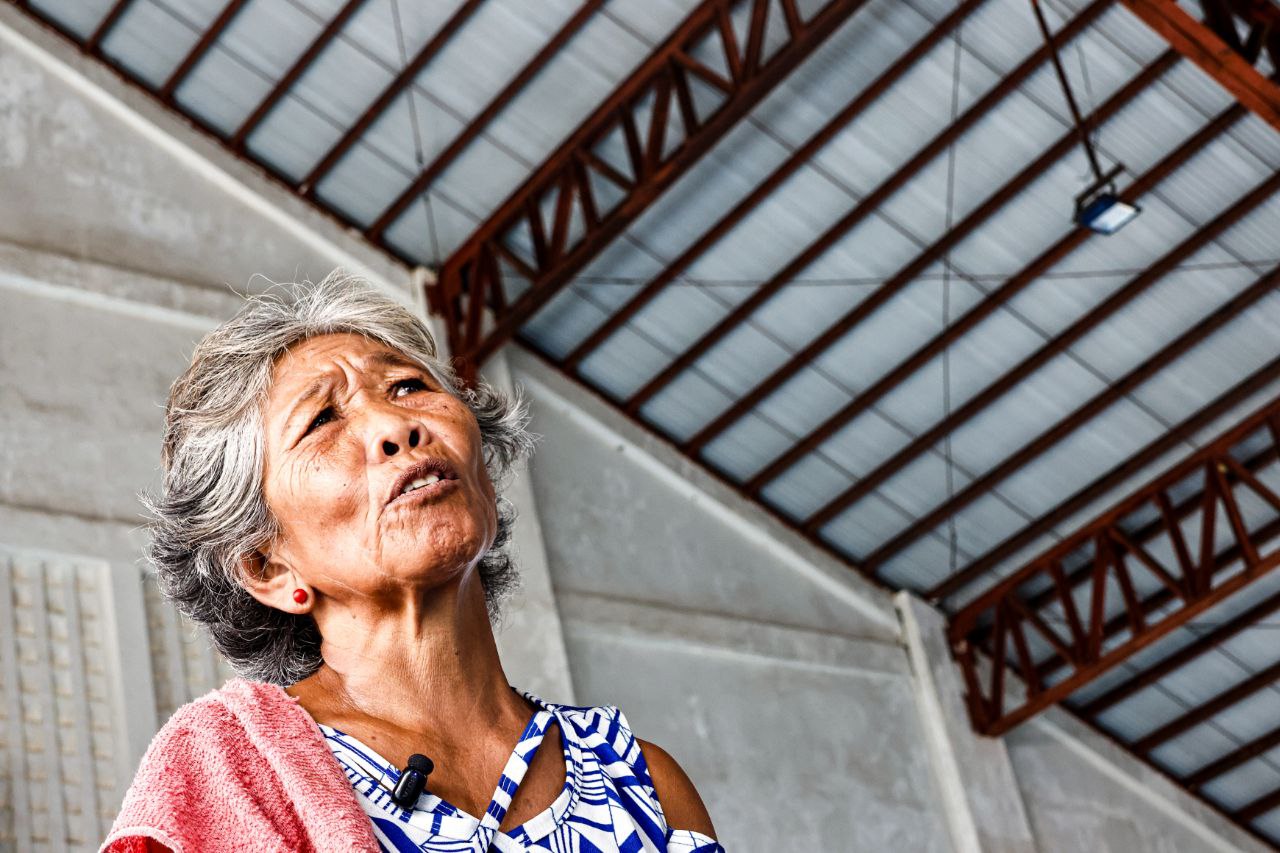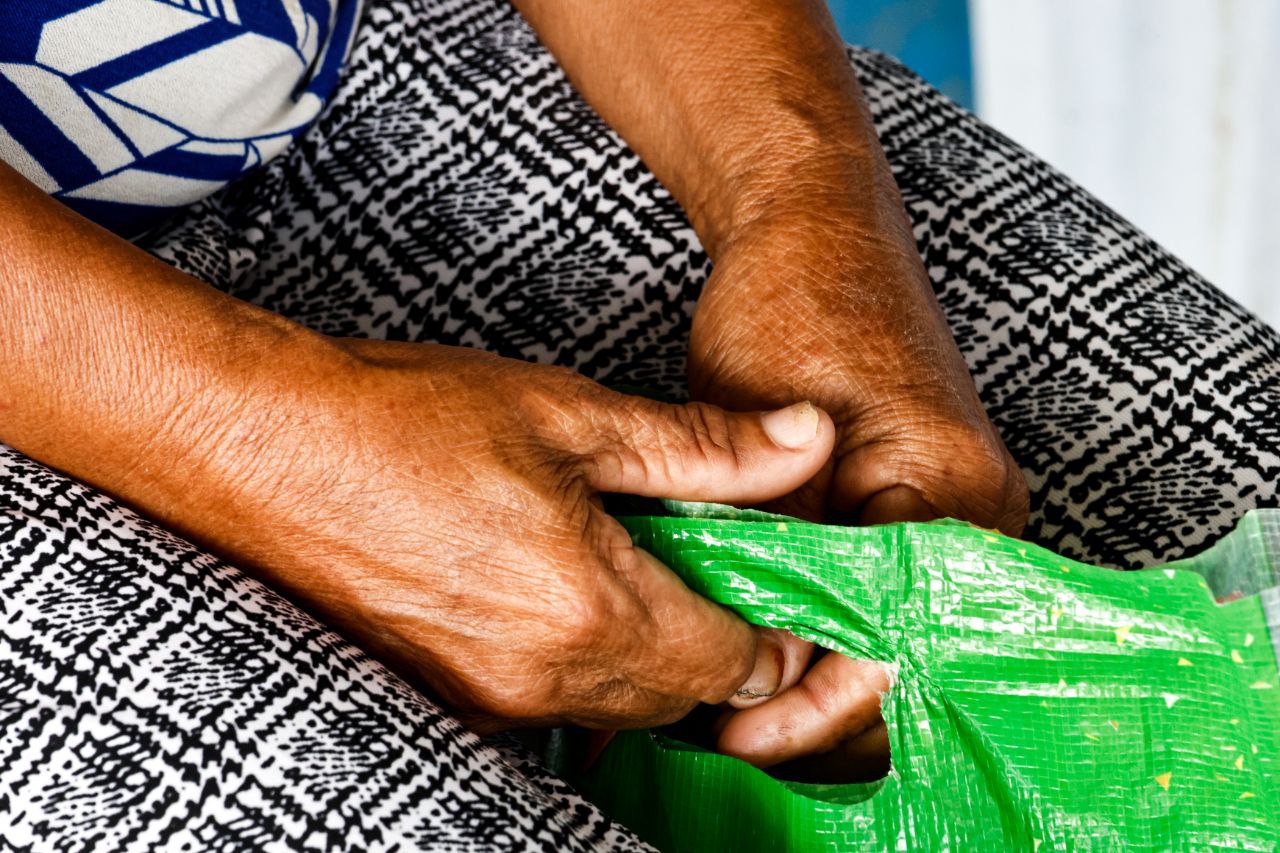


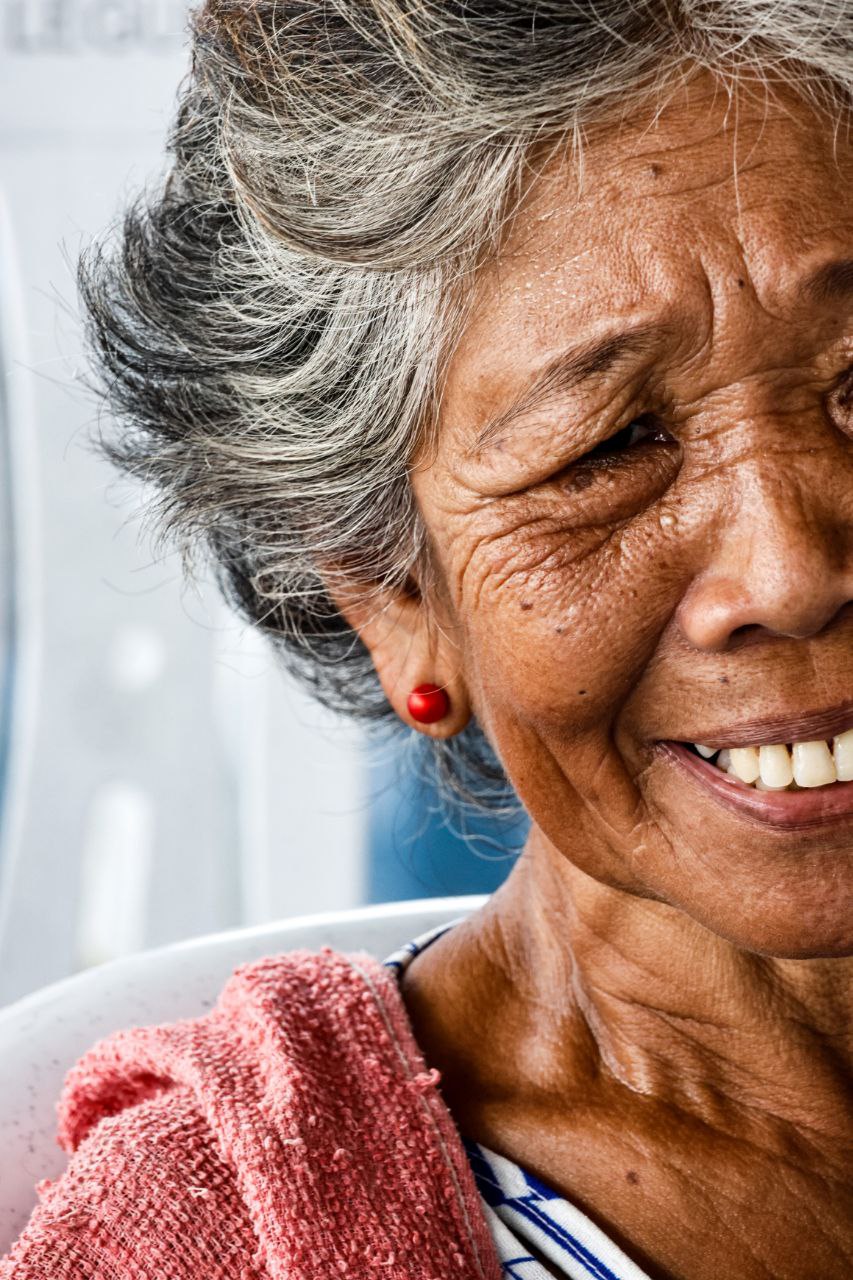
More challenging than pests, natural disasters—particularly typhoons—frequently affect farmers in Eastern Samar. The recent Typhoon Wilma, which struck the northern part of the province, caused extensive damage to her crops. Her vegetable garden was completely washed away, while rice, bananas, and other plants were either destroyed or uprooted.
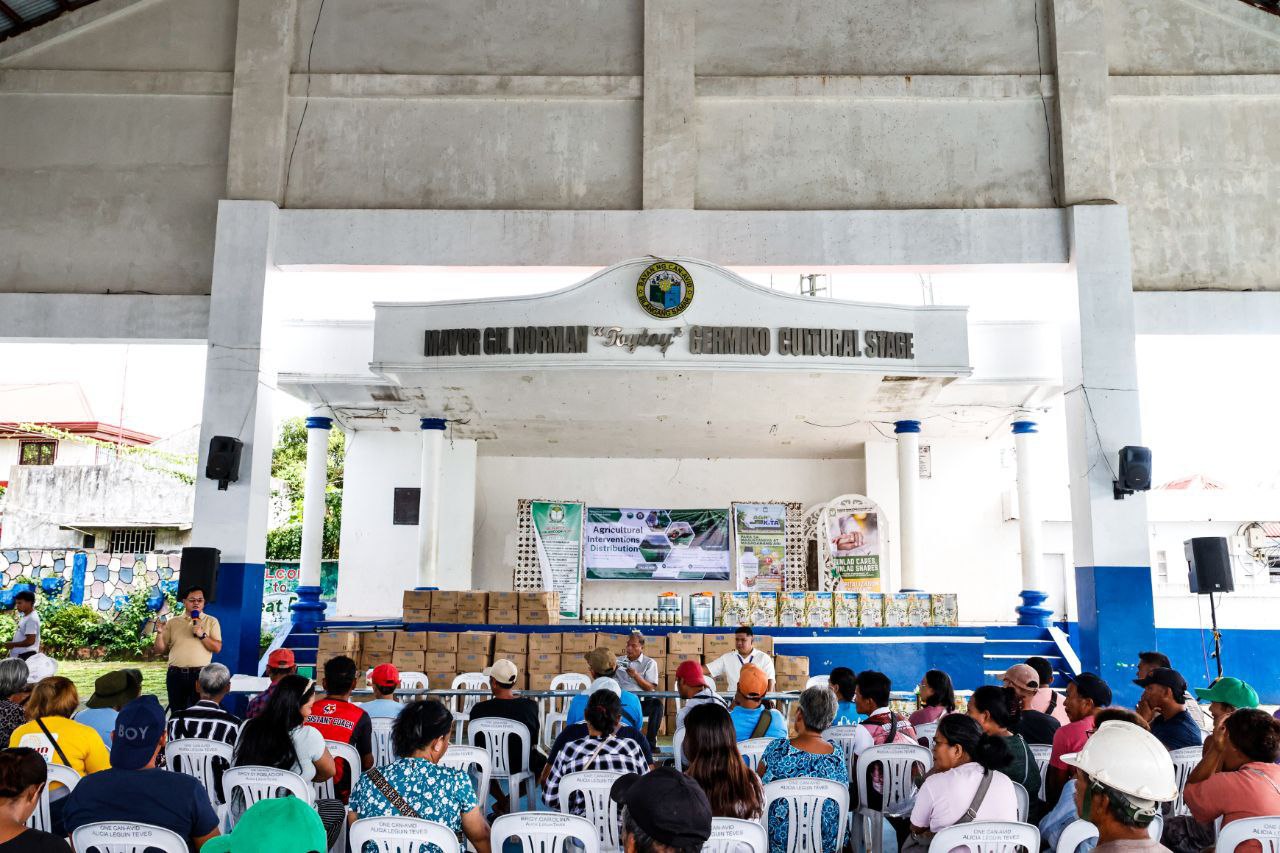
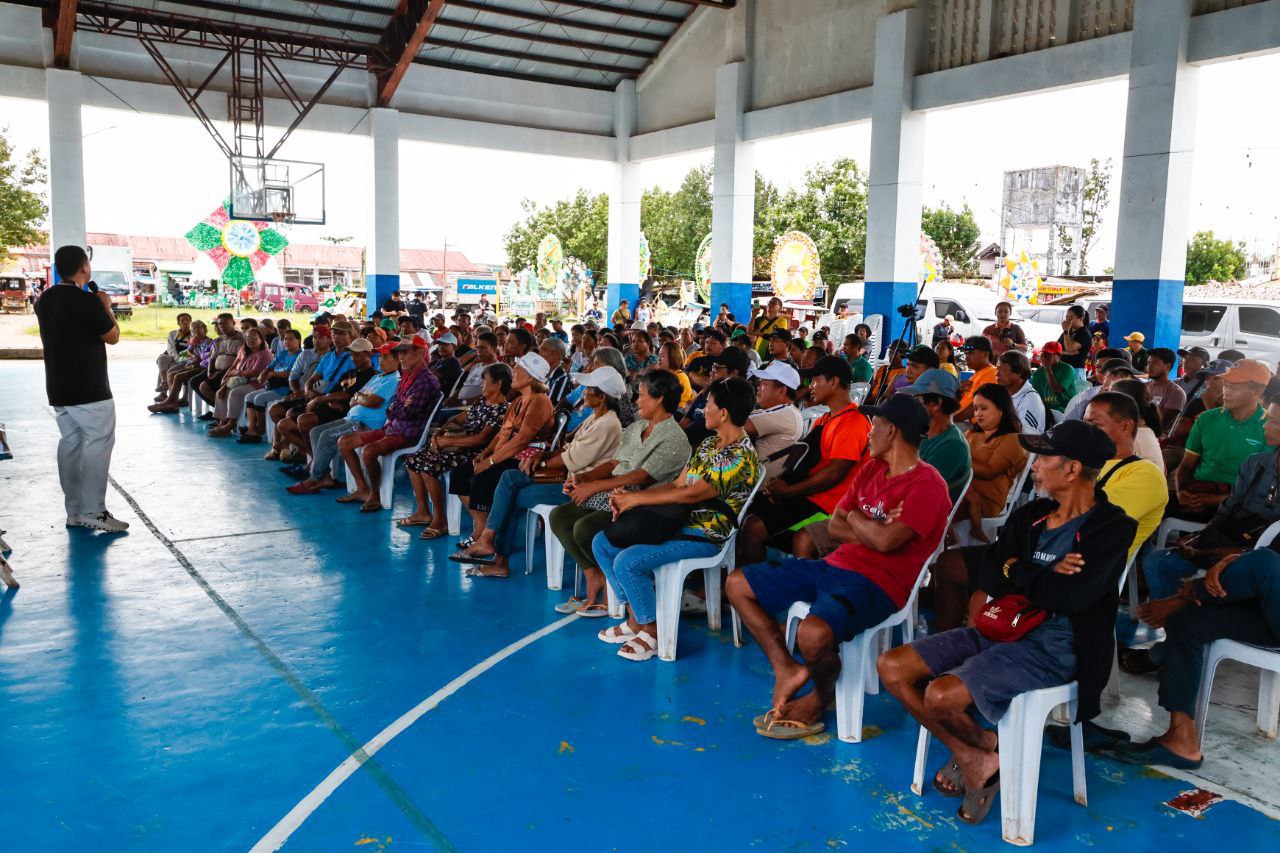
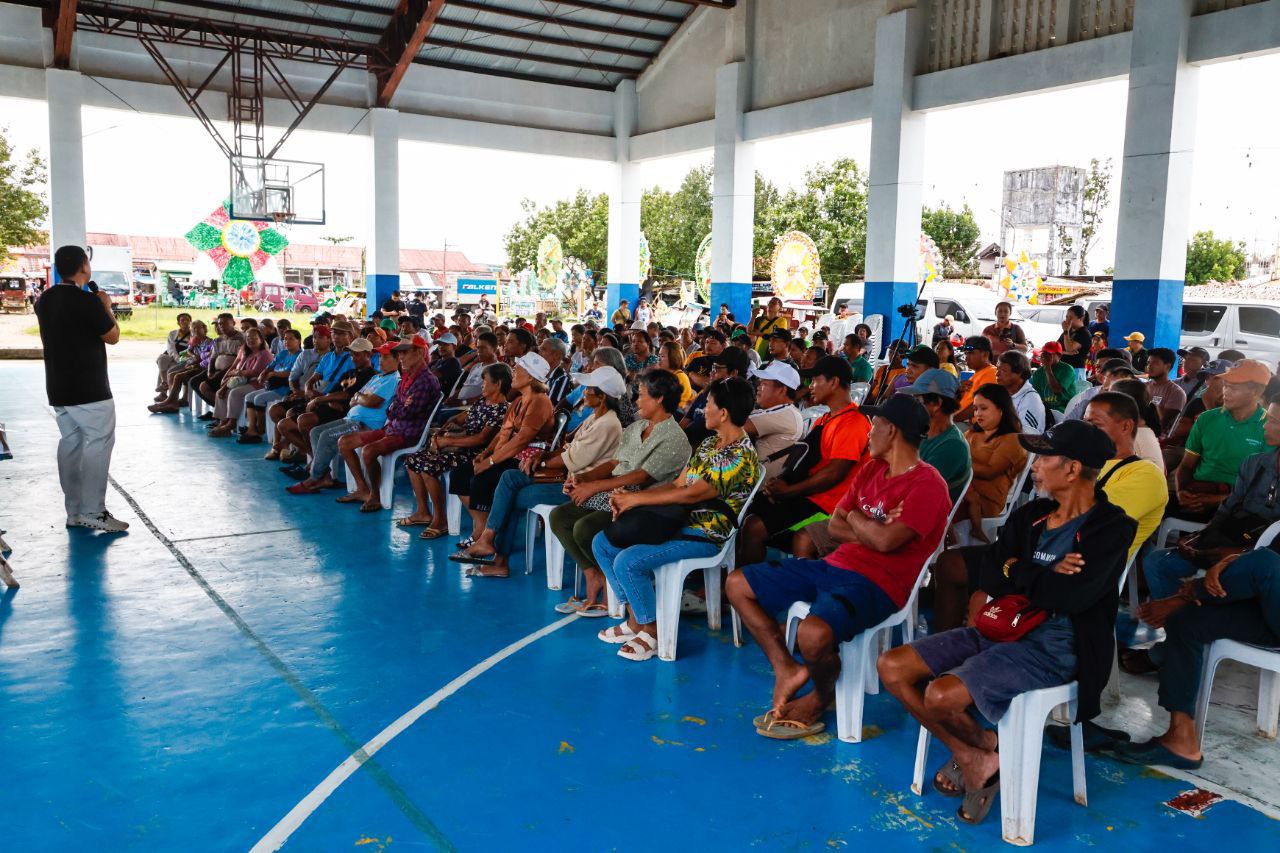
This was just one of the many challenges that farmers like Nanay Puriza face every season. To help them recover, the provincial government, under the leadership of Gov. RV Evardone, spearheaded an agricultural intervention distribution held on January 8 at the Can-avid G-Park.
The activity was conducted in collaboration with the Office of the Provincial Agricultural Services and the Eunlad Marketing Cooperative. Through the program, 250 farmers received assistance, including five one-liter bottles of Eupagrow organic fertilizer each.
“Yana mayda man kuno ha amon ipanhahatag nga fertilizer nga gagamiton nam hit amon tanom nga humay,” Nanay Puriza said.
At 68 years old, Nanay Puriza has farmed her one-hectare land in Brgy. Malogo for decades, alongside her husband.
Together, they raised nine children, all of whom became farmers themselves. The family depends on the farm for rice, bananas, cassava, vegetables, and other root crops, while a small coconut plantation is harvested quarterly.
The land was entrusted to Nanay Puriza’s family by her aunt, who transferred ownership after they cared for her during her illness. Since then, it has remained the family’s primary source of livelihood.
Rice harvests fluctuate depending on the season. In good conditions, the family collects 20–25 sacks of palay, but pests and typhoons can reduce yields to around 10 sacks. With limited resources, the family uses traditional methods, such as burning rubber near rice fields, to deter pests when pesticides are unaffordable.
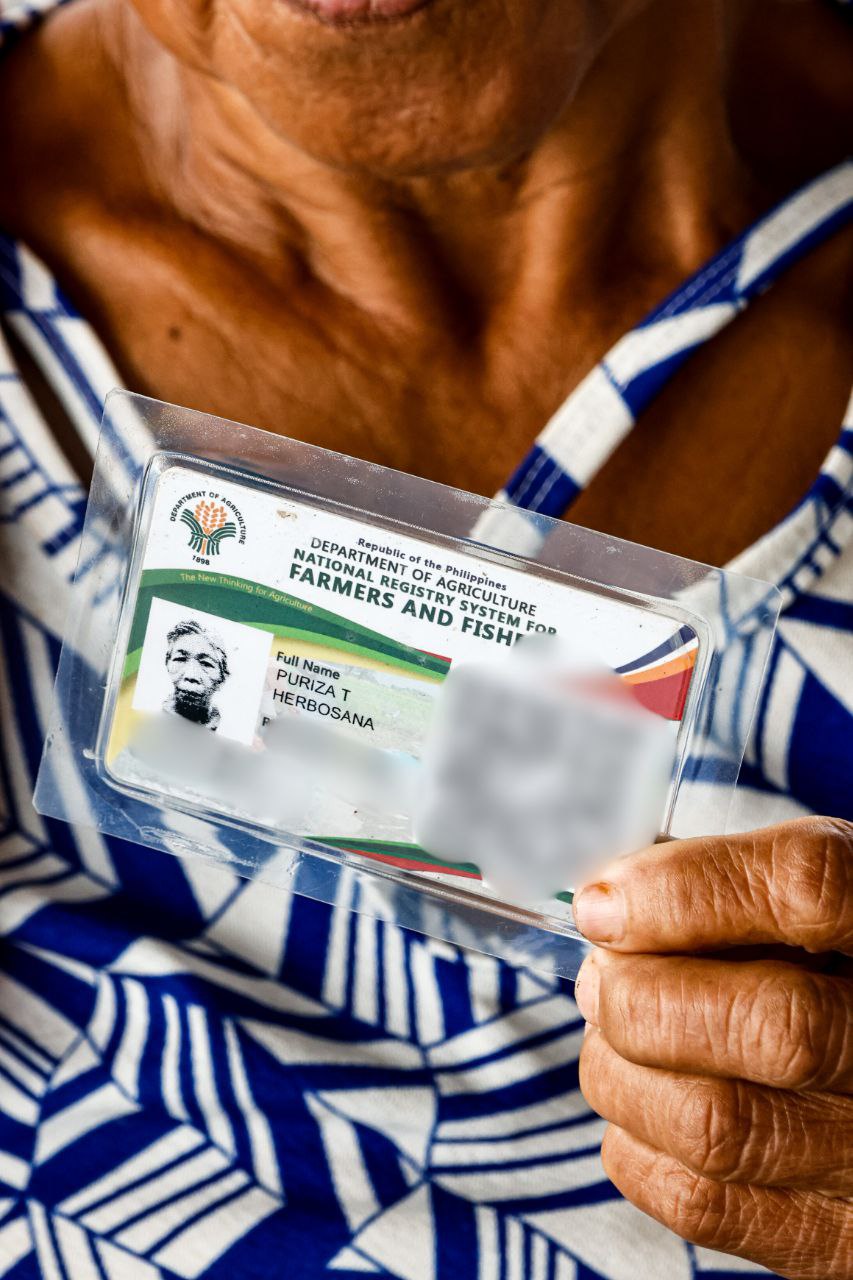
A member of the Registry System for Basic Sectors in Agriculture for over five years, Nanay Puriza said government programs like this are essential in providing fertilizer, seeds, and financial assistance, allowing farmers to sustain rice for daily consumption and generate income for other needs.
“Dako gud nga bulig. Gidadako-i it akon pagpapasalamat kay natatagan kami hin bulig,” she said.
For Nanay Puriza, the provincial government’s intervention is more than material support—it is a lifeline that helps her recover from typhoon losses, continue feeding her family, and maintain a farming legacy that has lasted for generations. (TAC-GBP)